





A Reddit user’s firmware teardown of a bargain Android radio is a reminder of why certification and safeguards matter
A Honda Civic owner recently bought a low-cost Android head unit on Amazon and decided to look at what was running under the hood. Using Claude Code, an AI coding tool, he dug into the firmware and posted his findings on Reddit.
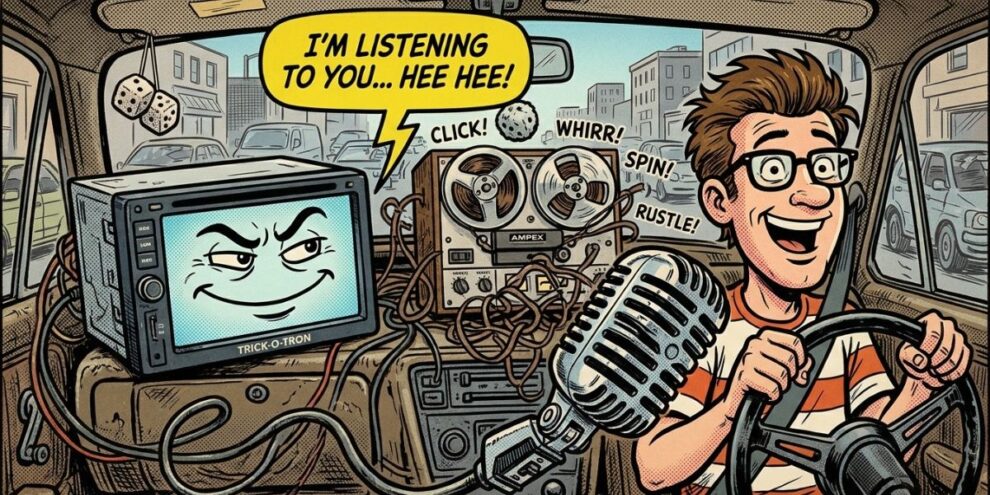
According to the post, the radio shipped with Baidu location services, a call recorder, a voice assistant that used about a third of the processor even while idle, and a script that quietly reinstalled Chinese media apps and an app store if anyone removed them. None of this was disclosed to the buyer.
The story has been circulating heavily on social media and has people talking. It’s worth digging a little deeper into what it means for our industry, because this is becoming more and more apparent with this style of radio. Plenty of people ask why units from the established brands cost more. Stories like this one help answer that question.
The Wild West of the Dash
That’s not to say every budget unit is bad, or that none of them work. Some do. The problem is that nobody really knows. These products are cloned and sold under countless brand names, and there’s no benchmark and no independent testing behind them. A label can claim any spec at all, and the buyer would never know the difference. Too often the main goal is simply how cheaply the product can be built and shipped.
Most of us know someone who bought one of these radios. It worked great for a couple of months, and then it died.
What You Can’t See Can Hurt You
The bigger concern is what’s happening that the owner can’t see. A head unit connected to your phone can reach your contacts, your messages, your location and the microphone in your car. When the software isn’t vetted, there’s no way to know what’s being gathered, where it’s going or how it might be used. The Civic owner only found out because he went looking.
Why Certification Costs Money
There’s a lot of frustration in the industry about the certification hoops the major brands have to jump through, along with the cost those hoops add. Before we pile on, it’s worth stepping back. Certification, compliance testing and software safeguards exist for a reason. They’re part of why a name brand unit costs more, and they’re part of what the customer is paying for: a product that does what it says, keeps its hands off their data, and has a company standing behind it.
The Takeaway for Retailers
This is a conversation worth having at the counter. When a customer asks why a unit costs more than the one they saw online, the answer isn’t only sound quality or features. It’s knowing exactly what’s going into their car and what isn’t. Maybe there’s a reason it’s so cheap.
Credit to The Drive for breaking this story.
Get the news before your competitors do. CEoutlook is the daily brief read by over 6,500 dealers, reps and manufacturers across the mobile electronics industry. Subscribe free.


