






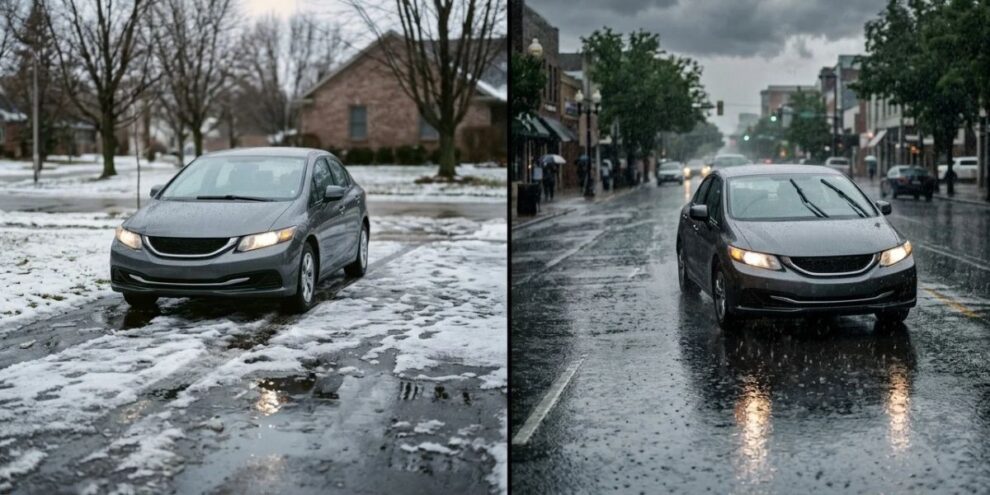
Remote start dealers may want to note that this winter’s weather outlook looks to be warmer than average in much of the North and wetter than average in the South, following a typical El Nino pattern.
Shaping this winter is a “super” El Niño that may be the strongest ever recorded, according to AccuWeather. El Nino refers to warmer Pacific ocean temperatures leading to weaker trade winds and an impact to the Pacific jet stream.
Overall, AccuWeather’s forecast for major northern cities calls for 10 to 20 inches of snow in New York City, compared to a historical average of almost 30 inches. Chicago could receive 12 to 25 inches, below its average of 38.4 inches, while Boston is forecast to see 15 to 30 inches against an average of 49.2 inches. (See additional city forecasts below).
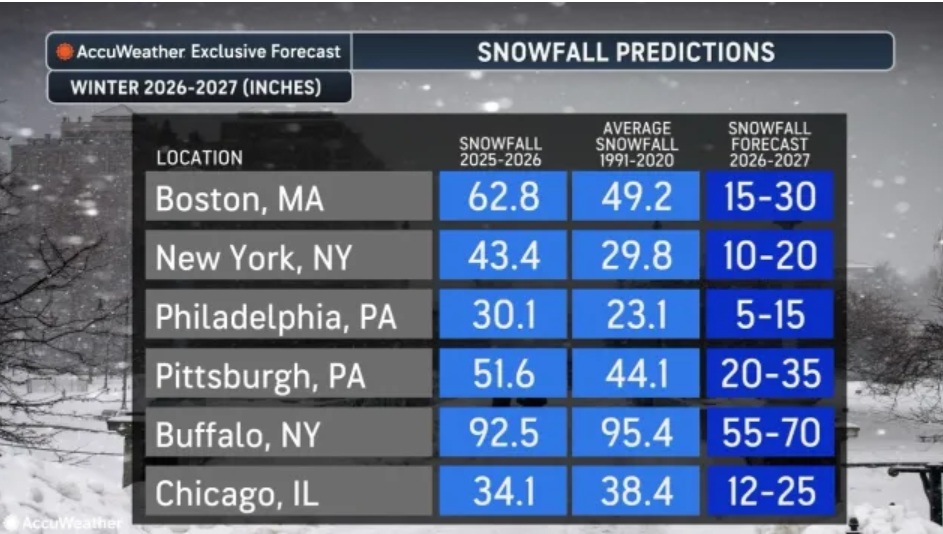
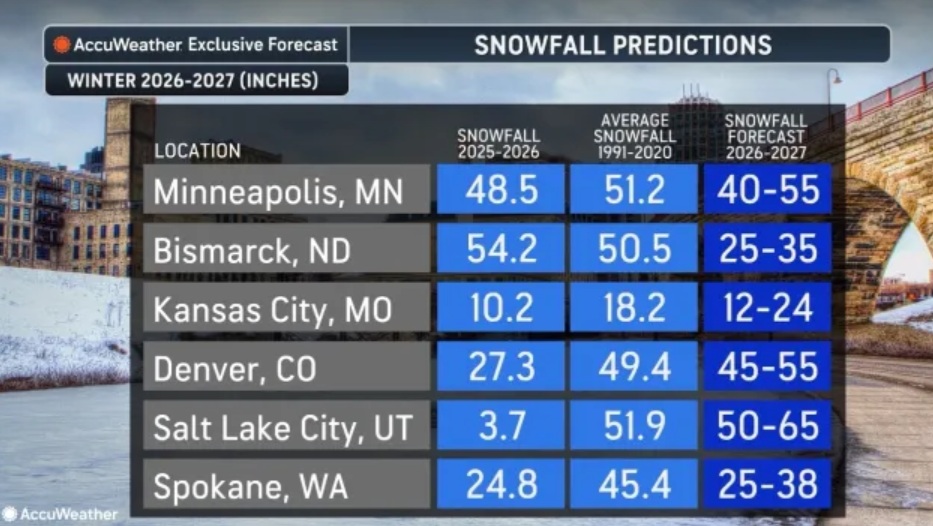
As remote start sales often rely on colder weather early in the season, here is a time-line overview for this winter, according to AccuWeather.
Forecast by Month
December 2026: Mild Northern Temperatures and a Wetter South
December is expected to feature above-average temperatures across much of the northern United States.
The southern storm track could become increasingly active, bringing frequent precipitation from the Southwest toward the Southeast.
January 2027: Central Plains Storms and Limited Arctic Cold
During January, above-average precipitation could develop across portions of Nebraska, Kansas, Oklahoma and Texas.
February 2027: Greater East Coast Snowstorm Potential
February could provide significant snowfall across the Northeast and Mid-Atlantic.
Forecasts by Region:
Looking at forecasts by NOAA (National Oceanic and Atmospheric Administration) and Accuweather, by region, here’s what to expect:
The North (Pacific Northwest, Northern Plains, Midwest & Great Lakes): Unusually Warm and Much Less Snow
Temperatures: NOAA predicts a very high probability of warmer-than-average temperatures.
Precipitation & Snow: It looks dry. NOAA projects below-average precipitation for the Great Lakes and northern Rockies.
The Northeast and Mid-Atlantic: Warmer Temps, Snow Levels Mixed
Temperatures: NOAA leans toward a warmer-than-average winter for the Northeast. Accuweather says warmer temps will delay winter and reduce snowfall.
Precipitation & Snow: NOAA says conditions will be wetter than average but Accuweather predicts less snow in parts of New England while noting that it would only take one big snowstorm to reach average snowfall level.
The Southern Tier (California, Southwest, Texas & The Gulf Coast): Lots of Rain and Mountain Snow
Temperatures: Expect cooler to near-normal temperatures. Because the cloud cover and storm tracks will be relentless, places from Southern California through Texas and the Gulf Coast will miss out on typical winter warmth.
Precipitation & Snow: Heavily wet and stormy. NOAA highlights this region for significant above-average precipitation. The flatlands will see plenty of rain and thunderstorms, while the southern Rockies and California’s Sierra Nevada are expected to get pummeled with snow starting early in the season.
Southeast: A Mixed Outlook
Temperatures: NOAA predicts near normal temperatures for the Southeast including Florida. AccuWeather, however, predicts above-average temperatures for much of the South and Gulf Coast.
Precipitation: NOAA predicts a wetter than average winter for the South. AccuWeather expects times of heavy rainfall, localized flooding and severe thunderstorms although overall precipitation may be lower than average. It also foresees the potential for a late January/February arctic blast.
Get the news before your competitors do. CEoutlook is the daily brief read by over 6,500 dealers, reps and manufacturers across the mobile electronics industry. Subscribe free.


