





If over 57 percent of car audio sales are transacted online, should you be selling from your website or via a 3rd party marketplace? Here are some pros and cons.
Custom Sounds entered ecommerce late in 2020. Online sales are now about ten percent of its business. “We think that is good,” said CEO Mike Cofield.
It’s plus business, “But there’s a lot of things that, if you’re going to do it, you better be able to devote enough time to it to do it properly, because otherwise you’re just going to be spinning your wheels and probably losing money,” he cautions.
Six percent of the members of the of the Mobile Electronics Specialists of America (MESA) car audio buying/marketing group (or 9 retailers) offer ecommerce, said MESA Executive Director, Ryan Gunter. “The thing I hear is it’s a lot of work and a lot of time, effort and cost, as far as marketing and getting customers to the site. It’s still hard to make real money on it. It’s good business, but it isn’t amazing [easy] business,” he said.
Cartronics, TN, with four stores, has been selling online since 2023. Ecommerce is under 10 percent of its business. “The big advantage we have is inventory. We typically have a lot of inventory since we have four store locations, so ecommerce helps us turn it quicker,” said Nathan Dunn.
Custom Sounds has its own ecommerce section on its website but most of its online sales are through 3rd party marketplaces
If dealers work with a 3rd party site, then they must, of course, be prepared to pay fees and there’s the issue of carrying enough inventory to fill orders.
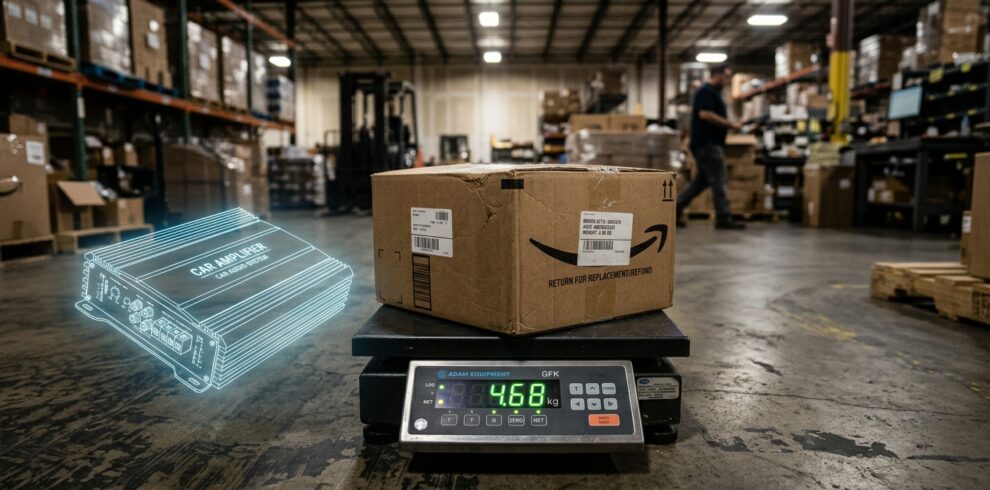
And then there’s the problem of returns. “We’ve had people return us shoes or bottles of water that they weighed out so they weighed the same as the product,” he said. “And when we first started, we did not send product ‘signature required,’ and over 60 percent of the people claimed that they did not get the product and we ate it,” said Cofield.
If not handled skillfully, 30 to 50 percent of your products will be returned, said Cofield. And with 3rd party sales, you pay for freight both ways. “So now, not only did you lose money on the shipping both ways, you also now have a used piece of equipment that may or may not be sellable,” Cofield said.
With car audio especially, there’s the problem of DIYers trying to install the product without sufficient knowledge, and then returning it, because of a failed install, he said. Some “don’t even know that they need a kit and a harness; it’s amazing.”
Custom Sounds has one full-time employee dedicated to coordinating with the stockrooms to get product shipped out and tracking sales. It has four warehouses so there’s the stock room staff as well.
“It’s profitable for us because we have policies and procedures in place to limit our amount of exposure,” said Cofield.
SoundGoodsAuto, Canada, stopped selling under Amazon because of the returns. The last straw was a customer who boxed up a shoe instead of returning the radio. The shop complained, said Keith McCumber, but Amazon ruled in favor of the customer. The chain still sells from the website to help with SEO, and to attract some of the shoppers who might have purchased from another online venue. This way SoundsGood has an opportunity to invite some of the shoppers into the stores for installation.
You might be asking yourself how this happens. When a package is returned to Amazon, the product is not inspected. Amazon simply weighs the box, and that qualifies as a valid return to the retailer.
Get the news before your competitors do. CEoutlook is the daily brief read by over 6,500 dealers, reps and manufacturers across the mobile electronics industry. Subscribe free.


