






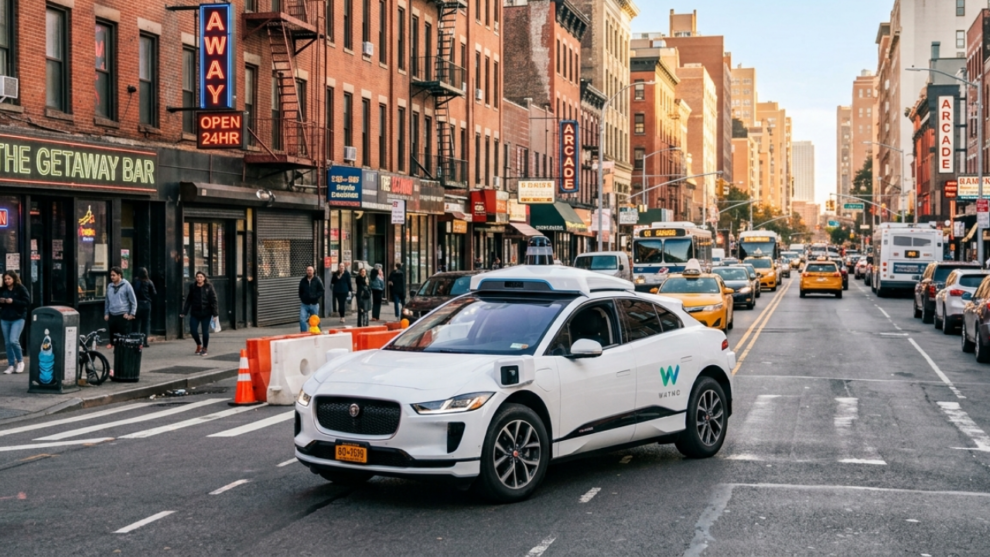
A San Francisco thief walked into Hot 8 Yoga on January 9, grabbed activewear, and was back outside in under three minutes. Waiting at the curb was his getaway vehicle, a Waymo robotaxi. He loaded the stolen clothing into the trunk, climbed in, and rode away.
The incident has led to legal questions about the responsibility of automotive camera suppliers, car manufacturers and autonomous vehicle makers in working with authorities to solve crimes.
Six months later, police still have not identified the Hot 8 Yoga suspect.
The Waymo has 29 cameras providing a complete view inside and outside the vehicle. Police obtained a search warrant ordering Waymo to hand over account information and video evidence. The warrant did not arrive until April, four months after the robbery. By then, Waymo had already deleted the interior footage.
The company’s exterior cameras blur faces for privacy reasons. So despite all those high definition cameras, none of them helped track down the thief.
Waymo does not use facial recognition or biometric data to identify riders. The company says it will push back against law enforcement requests when it determines rider privacy needs protection.
In a different outcome, similar to the above case, last year in Los Angeles, a suspect fled a grocery store robbery in a Waymo. This time officers pursued the vehicle, and it pulled itself over after police activated emergency lights, leading to an arrest.
What This Means for the Automotive Industry
The Waymo incident raises a question the industry has not yet answered: when a vehicle becomes a witness to a crime or committed a crime, what are the obligations of the manufacturer?
Modern vehicles are increasingly equipped with exterior cameras, driver facing cameras, microphones, GPS logs, telematics data, and onboard connectivity. Aftermarket systems in the 12-volt space add another layer: dashcams, driver monitoring systems, and infotainment platforms that log location, speed, and audio.
The real problem was timing. When officers could respond in real time, the technology worked. When the investigation moved slowly, the data was gone.
Our industry will probably face pressure from consumer privacy advocates. If a real crime happens, investigators want useful evidence. At the same time, few consumers want every connected vehicle functioning as a rolling surveillance system.
We would like to hear our thoughts on this in our comment section below!
Sources: Fox News CyberGuy Report, San Francisco Chronicle, Jalopnik, Carscoops, TechCrunch, Slashdot
Get the news before your competitors do. CEoutlook is the daily brief read by over 6,500 dealers, reps and manufacturers across the mobile electronics industry. Subscribe free.


