






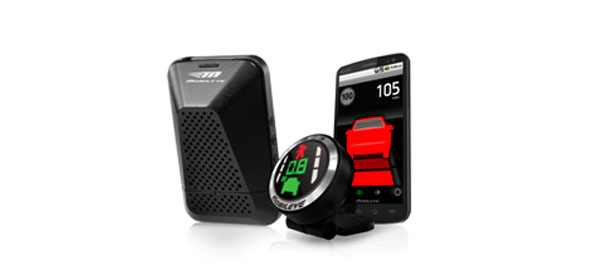
We take it as a sign that electronic driver safety devices are becoming more popular as Consumer Reports chose to examine two aftermarket products in its November 2013 issue.
The publication notes that the aftermarket systems are a way to get new in-car safety features without having to purchase a new car.
It tested the $850 Mobileye 560 system (pictured above) and a $250 Goshers Blind Spot Detection system and concluded both performed their jobs well.
The Mobileye early crash warning system and lane departure warning system (and pedestrian detection system) got this nod, “Overall, we found that Mobileye’s features worked well and gave us ample time to react, on the road and in simulated situations at our track. But staff members noticed one annoyance: At speeds faster than 19 mph, the display constantly shows the number of seconds—up to 2.5—that your car is behind the one in front.”
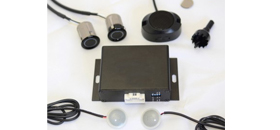
Goshers’ system, which is a single function blind spot detector “reliably warned us of other cars but that it can be a bit overzealous, with guardrails and other objects causing false alerts. It was more helpful when we adjusted its sensitivity to its lowest setting and opted to get warnings only when a turn signal was activated.”
Installation on the Goshers system took about 4 hours.
Consumer Reports concluded that both systems can help drivers to avoid crashes.
Source: Consumer Reports
Get the news before your competitors do. CEoutlook is the daily brief read by over 6,500 dealers, reps and manufacturers across the mobile electronics industry. Subscribe free.



What staff members at Consumer Reports found annoying about the Mobileye system is actually a feature of the system. The problem they had was that they were following too closely behind the car in front of them! I believe the system can be set to a little shorter following distance, but to drive safely a person is not supposed to be that close to the car in front of them. Doesn’t anyone observe the “2 Second” following rule anymore?
Could someone please post the real findings in the November article? I missed it and would like to see what was really found.
This posting tells nothing of the technology and its benefits to the consumer. The Mobileye device does an excellent job of providing warnings without falses… I’ve had the demo-drive.
It can also develop good driving habits as the forward collision time changes automatically with speed. This can help heighten awareness to avoid tailgating too close. Also, the connection to CAN in the vehicle promotes the use of directionals as it will not sound the lane deviation warning should you use the directinal. It knows you intend to change lanes.
Are these things pointed out in the article?
Click on the link at the bottom of the story (Source: Consumer Reports) and it takes you to the Consumer Reports story.