





By Bill Braun, Guest Contributor, Owner, Tune Digital Marketing
Many love big shows like SEMA with the sea of people, endless smiling faces, and lots of new gear to show off. When deciding whether to attend or sponsor a show, the inevitable question that follows is how it makes the cash register ring.
The decision isn’t easy. It’s not uncommon for a brand to assess a show’s value by using the gut feelings of their more experienced employees. Their judgment certainly carries legitimate weight, so we can’t discount the possibility that their wisdom may indeed be the precursor to future profits—but instinct, no matter how well attuned, is hard to act on by itself, and nearly impossible to connect directly to revenue. Without real data or sales to back that feeling up, how can you know what’s truly affecting your bottom line?
That same question extends well beyond car shows. Car audio competitions face the same challenge, as do influencers and celebrities who leverage their own popularity as a form of currency. With a little preparation and some simple tools, we can bridge that gap. Here’s how to do it:
Step 1: Define Your Goals
The name of the game is earning trust. That comes in small steps, so the easiest goals are the ones that have the lowest commitment levels and the highest chances of success:
- Web Page Views
- Social Media Likes/Follows
The upside to links like this are the remarketing opportunities down the road. More on that in a minute.
A deeper commitment involves sharing personal information, which becomes easier when a more personal connection is made, either in person (shows) or through pre-existing trust (influencers). The upside is that these signups often have a high conversion rate, meaning they are more likely to buy in the future. We all guard our personal details to some extent, so offering something in return, like a contest entry or a discount code to help increase the success rate:
- Email List Signups
- Contest Signups
- SMS (texting) Lists
Step 2: Make Unique Identifiers
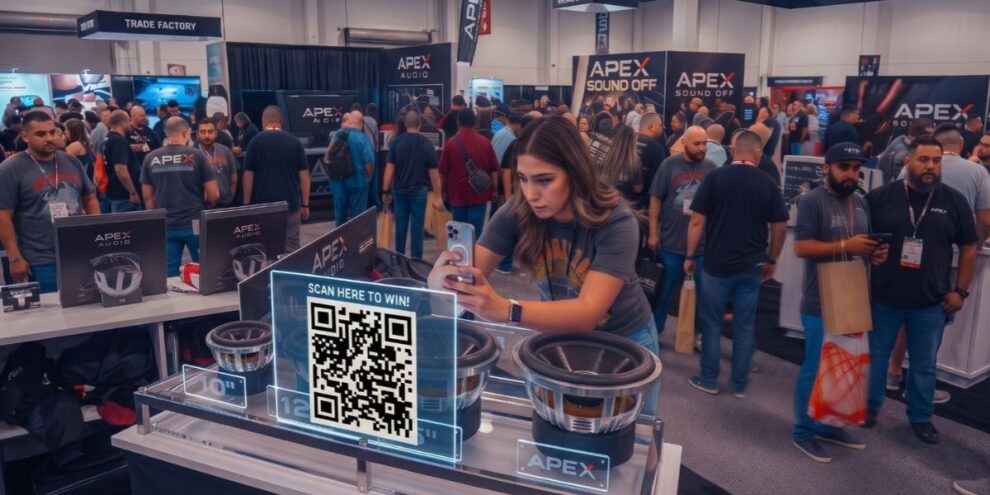
Now that you’ve defined your goals, the next step is to isolate the results of a specific show or influencer. The best way to uniquely identify any link click is by combining two tools: a campaign-specific UTM code and a scannable QR code (for in-person shows).
Many services can do this for you, including free options like Google’s UTM code builder: https://ga-dev-tools.google/campaign-url-builder/ and Bitly’s QR Code Generator: https://bitly.com/pages/landing/qr-codes
With any link or QR code, convenience is key. If you have a shiny new amp you want to show off, the QR code should go right to that amp’s product page.
While a QR code is simply a convenient way to access a link, a UTM code holds the keys to the data kingdom. Once the code is scanned, a new group can be created (called an “audience”) in Analytics and/or your favorite social platform. You can now advertise highly relevant ads to this group of warm leadsFor the next 14 months, you can track critical website behavior like:
- Location (places they live or places they visit)
- Website pages viewed
- Purchase history
- Device type
- Time on page
You can also segment audiences to filter specific people (or behaviors) in or out. Want to advertise to people who live in New York, attended SEMA, and scanned the code for Amplifier A? Done. What about people who fit that description, added an item to their cart, but didn’t buy? Can you send them a different message? Absolutely. The possibilities to customize the audience and targeting are basically limitless, which means the relevance of your ads can be extremely compelling.
Step 3: Evaluate Results
With links and QR codes in place, you can measure performance. Over time, as you get a few shows or influencer campaigns under your belt, you can compare these stats to see what works best. Your show-specific tag reports will live in Google Analytics, Bitly, and any contest platform you use.
Google and your social platforms will report on your achieved goals, including signups, page views, and sales. If you use a contest program to collect info, those entries will also be available in a dedicated report.
Some attendees will scan the codes in your booth, and some followers will click the influencer’s links. A portion will buy immediately; others will buy later or sign up for your email list. The questions you need to ask are: Which shows and influencers are driving the most value? And is the resulting business enough to offset the cost of the campaign?
Start asking invaluable questions like these, and with a little work, the answers will become clear.
Bill Braun owns Tune Digital Marketing, which provides online marketing services to the 12-volt industry. Their services include analytics, copywriting, social media, and advertising strategy. For more info: www.tunedm.com or [email protected].
Get the news before your competitors do. CEoutlook is the daily brief read by over 6,500 dealers, reps and manufacturers across the mobile electronics industry. Subscribe free.